
Options Expiry Dates: Understanding the Impact on Options Trading

A crypto options expiry date is the fixed date and time an options contract stops trading and settles automatically. Delta Exchange offers weekly, monthly, and quarterly expiries. As expiry nears, time decay accelerates and out-of-the-money contracts lose value fastest.
As a crypto trader, you’d know that crypto options provide investors with the right, but not the obligation, to buy or sell an underlying asset at a predetermined price within a specified period. These instruments play a crucial role in the crypto market, allowing players to manage risk, speculate on price movements, and optimize investment strategies. One key element that significantly affects the dynamics of crypto options trading is the concept of options expiry dates. Let’s understand all about crypto options expiry dates in this blog.
Time Decay in Crypto Options
Traders and investors need to be mindful of time decay in crypto options, as it can impact the profitability of their positions and necessitate timely decision-making to take advantage of opportunities in the crypto markets.
How Time Decay Affects Option Prices
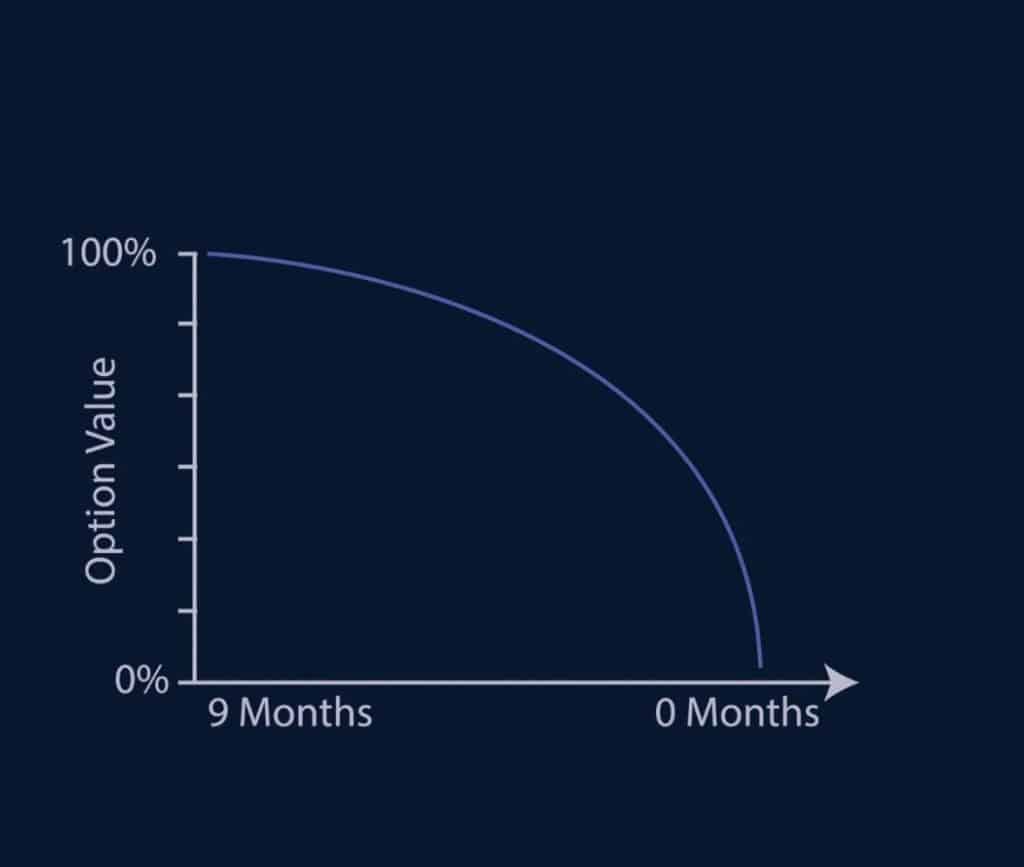
Time decay refers to the gradual erosion of an option's value as it approaches its options expiration date. Time decay primarily affects the extrinsic value of an option, also known as its time value. As each day passes, the time value of an option decreases. This is due to the diminishing probability that the option will move into a profitable state by the time it expires.
Strategies to Mitigate Time Decay in Crypto Options
- Short-term trading: By trading crypto options within smaller time periods (a buy and a sell, or vice versa), traders can reduce the rate at which time decay erodes the option's value.
- Delta-neutral strategies: Employing delta-neutral strategies, such as delta hedging, can help offset the effects of time decay.
- Option spreads: Credit spreads involve selling an option with high time decay (typically a short-term option) and buying an option with lower time decay (usually a longer-term option). This spread strategy allows traders to capture the difference in time decay rates.
- Covered calls and protective puts: These strategies involve holding the underlying asset while selling covered calls or buying protective puts to hedge against price movements. This approach can help reduce the impact of time decay while still benefiting from the asset's potential appreciation.
Understanding Options Expiry Dates
An option expiry date, also known as a maturity date or expiration date, is the predetermined point in time when an options contract ceases to be valid. Traders and investors must grasp the significance of options expiry dates to effectively utilize options.
Options Expiry Dates and Their Impact
Expiry dates introduce a time-sensitive element to trading, forcing investors to make timely decisions and execute strategies efficiently. Expiry dates significantly affect the pricing of these options contracts.
Market Dynamics Surrounding Expiry Dates
In the lead-up to expiry dates, market dynamics undergo notable shifts. Traders often witness increased trading activity and heightened volatility as options approach their expiration. This period is marked by evolving strategies, as market participants seek to maximize profits or minimize losses. The "pinning" effect, where options tend to gravitate towards the strike prices of popular contracts, becomes a noteworthy phenomenon.
Implied Volatility in Crypto Options
Implied volatility is a fundamental driver of pricing and risk management in the crypto market. These fluctuations represent shifts in market expectations regarding future price volatility.
The Role of Implied Volatility
Implied volatility (IV) represents the market's expectations for the future volatility of an underlying asset. It reflects the uncertainty and potential price swings that traders anticipate.
How Implied Volatility Impacts Options Prices
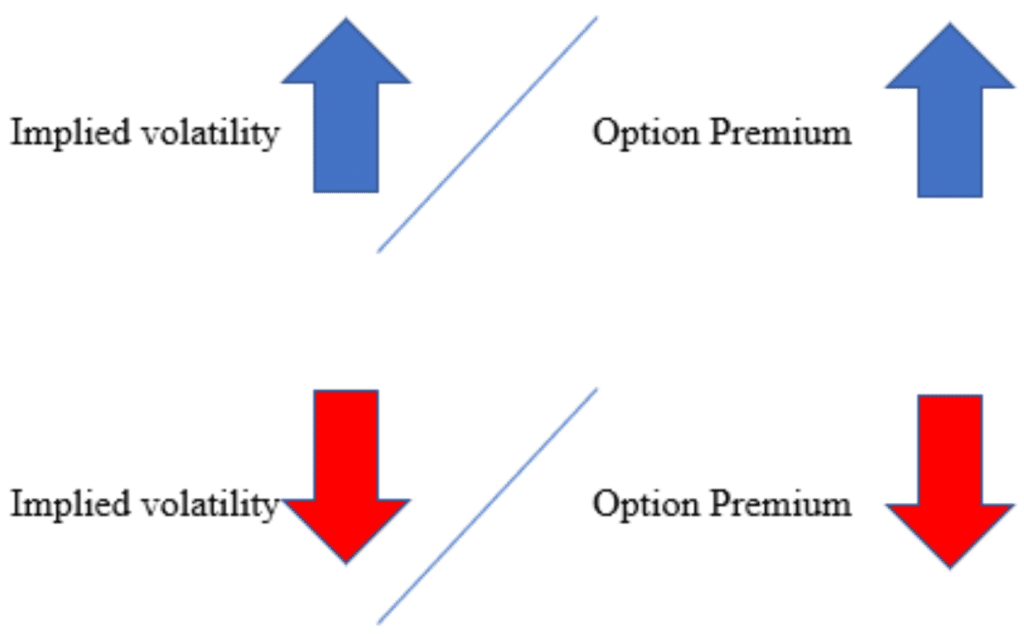
Implied volatility has a profound impact on crypto option prices. When IV is high, crypto options become more expensive as traders are willing to pay a premium to hedge against the expected price swings. Conversely, when IV is low, option prices are cheaper, as there is less perceived need for protection. In essence, IV is directly linked to the extrinsic value of options, affecting their overall pricing. High IV can make option premiums costly, potentially erasing profits, while low IV can limit premium costs but may reduce potential gains.
Strategies for Dealing with Implied Volatility in Crypto Options
- Buy low IV, Sell high IV: A common strategy is to buy options when implied volatility is relatively low and sell them when it's high.
- Implied volatility skew: In crypto options, implied volatility may exhibit skew, where one side (e.g., put options) has higher IV than the other (e.g., call options). Traders can take advantage of this skew by creating spreads that benefit from IV differences, such as ratio spreads or iron condors.
- Vega hedging: Traders can use vega hedging strategies to mitigate the impact of IV changes. By adjusting positions when IV shifts, they aim to keep the overall vega of their portfolio relatively stable, reducing sensitivity to volatility changes.
- Earnings and events: Be aware of earnings reports and major events in the crypto market, as they can lead to changes in IV. Traders may choose to avoid options that expire around such events or employ specific strategies, like straddles or strangles, to capitalize on expected volatility increases.
Crypto Options Strategies Based on Expiry Dates
These strategies allow individuals to adapt to their risk tolerance, market expectations, and trading objectives, offering flexibility and versatility in navigating the world of crypto options trading.
Day Trading Crypto Options
This involves buying and selling options within the same trading day, capitalizing on short-term price movements. Traders typically choose options with very short expiry dates, often the same day or the next day. Strategies can include buying call or put options based on intraday price patterns, technical analysis, or news events. The goal is to profit from rapid price changes. Indicators like RSI can help pinpoint overbought or oversold conditions before choosing a strike and expiry.
Swing Trading Strategies for Crypto Options
This entails holding options for a few days to several weeks to capture medium-term price swings. Traders look for options with slightly longer expiry dates to allow for more significant price movements. Common strategies involve using technical and fundamental analysis to identify potential trend reversals or breakouts.
Long-Term Investing with Crypto Options
This involves using options to establish positions in the crypto market and benefit from substantial price appreciation. Traders typically select options with extended expiry dates, often several months to a year or more. They might use covered call or protective put strategies to hedge their long-term positions or generate income.
Factors Affecting Crypto Options Expiry Dates
Several factors influence the selection of expiry dates in crypto options trading. Let’s learn about them:
A. Impact of Economic Events
Economic events can create short-term price fluctuations that make options more or less attractive, affecting the choice of options expiry dates.
B. Impact of Earnings Reports
These reports often lead to heightened volatility in the crypto market. Options expiring after the earnings release may be particularly attractive for those expecting substantial post-earnings price movements.
The Role of Market Sentiment
When market sentiment is bullish, traders may opt for longer-dated expiry dates, anticipating sustained price increases. Conversely, during periods of bearish sentiment, shorter-dated options might be favored, as traders expect price declines to occur more rapidly.
Choosing the Right Option Expiry Date
Choosing the right options expiry dates can enhance your ability to make well-informed decisions while the wrong choice can lead to missed opportunities or unexpected losses.
Considerations When Selecting Options Expiry Dates
When selecting the right expiry date for your crypto options, several crucial considerations come into play:
- Volatility expectations: If you anticipate high volatility in the crypto market, shorter expiry dates may be appropriate. Longer-dated options are better suited for periods of lower expected volatility.
- Trading time horizon: Align the expiry date with your trading time horizon. Day traders should opt for very short-term options, while swing traders may prefer options with a few weeks to months until expiry.
- Specific events: Take into account events, such as economic releases, earnings reports, or regulatory changes. Options that align with specific events can capitalize on market reactions.
- Market sentiment: Analyze market sentiment to gauge the general mood of traders. Bullish sentiment may lead you to choose longer-dated call options, while bearish sentiment might favor shorter-dated put options.
Aligning Options Expiry Dates with Your Trading Objectives
To choose the right expiry date for your crypto options, align the date with your trading objectives:
- Hedging: If your primary goal is to hedge against potential losses in your crypto holdings, select options with expiry dates that correspond to the timeframe when you expect risk exposure. This can help protect your portfolio during volatile market conditions.
- Speculation: For speculative trading, where you aim to profit from short-term price movements, opt for shorter-dated options to take advantage of price fluctuations within your chosen timeframe.
- Income generation: If generating income is your goal, consider selling covered calls with options expiring in the short to medium term. This strategy can help you earn premium income while retaining your crypto assets.
- Long-term investing: Investors looking to accumulate or hold crypto assets over an extended period can use long-dated crypto call options to acquire digital assets at a predetermined price, allowing for long-term growth potential.
Practical Examples
Let’s look at some examples of crypto options trading:
Scenario 1 - Speculative Day Trader
An investor expects a crypto to make a significant move in the next few hours due to a breaking news event. They choose an options expiration date for the same trading day or the next day to capitalize on the short-term price surge.
Scenario 2 - Swing Trader
A swing trader believes a crypto asset is about to start a new upward trend that will last a few weeks. They select options expiration dates around one to two months to benefit from the expected price swings. Understanding the significance of options expiry dates in crypto options trading is paramount for success in this dynamic and rapidly evolving market. By mastering the art of choosing the right expiry date, you can navigate the world of crypto options with greater precision and confidence.
Disclaimer: Crypto derivatives trading carries substantial risk and may not be suitable for all investors. This article is for educational purposes only and is not financial advice.
Frequently Asked Questions (FAQs)
Q1: What is an options expiry date in crypto trading?
Answer: An options expiry date is the deadline by which a contract must be exercised or it expires worthless. On Delta Exchange, crypto options come with weekly, monthly, and quarterly expiries. After the date passes, unexercised contracts settle automatically and stop trading.
Q2: How does time decay affect options prices before expiry?
Answer: Time decay, or theta, chips away at an option's extrinsic value every day, and the erosion accelerates in the final week before expiry. Out-of-the-money options take the worst hit since they have zero intrinsic value and their price bleeds toward zero unless the asset moves sharply.
Q3: Why do options expiry dates impact market volatility?
Answer: Large open interest at specific strikes creates what traders call pinning, where market makers hedge their books in ways that pull price toward those strikes near settlement. Once expiry passes and hedges are unwound, that pressure releases and prices can swing sharply in either direction.
Q4: What is implied volatility in crypto options trading?
Answer: Implied volatility is the market's forecast of how much an asset will move, extracted from current options premiums. When IV is high, options are expensive and fear is elevated. Comparing IV to realize historical volatility is a quick way to gauge whether options are overpriced or underpriced.
Q5: How do traders choose the right options expiry date?
Answer: Short-dated options suit event-driven trades where you want tight timing around a catalyst like a Fed decision or protocol upgrade. Longer expiries fit directional bets that need room to play out. The rule of thumb is to match the expiry to how quickly you expect the market to move.
Q6: What strategies work best around options expiry in crypto markets?
Answer: Gamma scalping, pre-expiry straddles, and covered calls near resistance are common plays around settlement. Traders also watch max pain, the strike where total option holder losses are highest, since price tends to drift there before expiry. Delta Exchange's strategy builder makes it straightforward to set these positions up.