
Know How Gold and Bitcoin Are Moving Together in Crypto Markets

Digital Derivatives is Delta Exchange India's newsletter on the latest research, information and analytics from the crypto derivatives space.
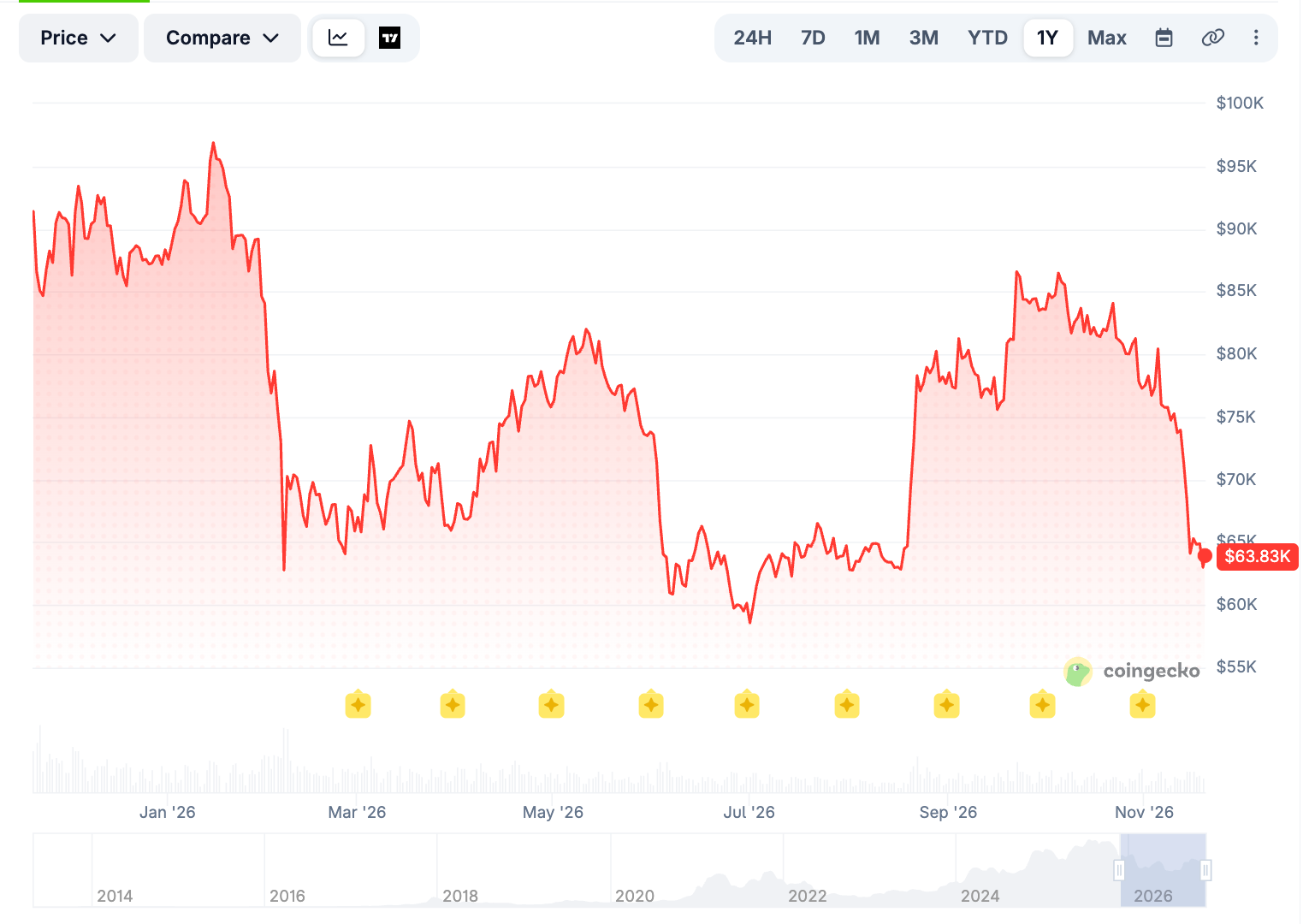
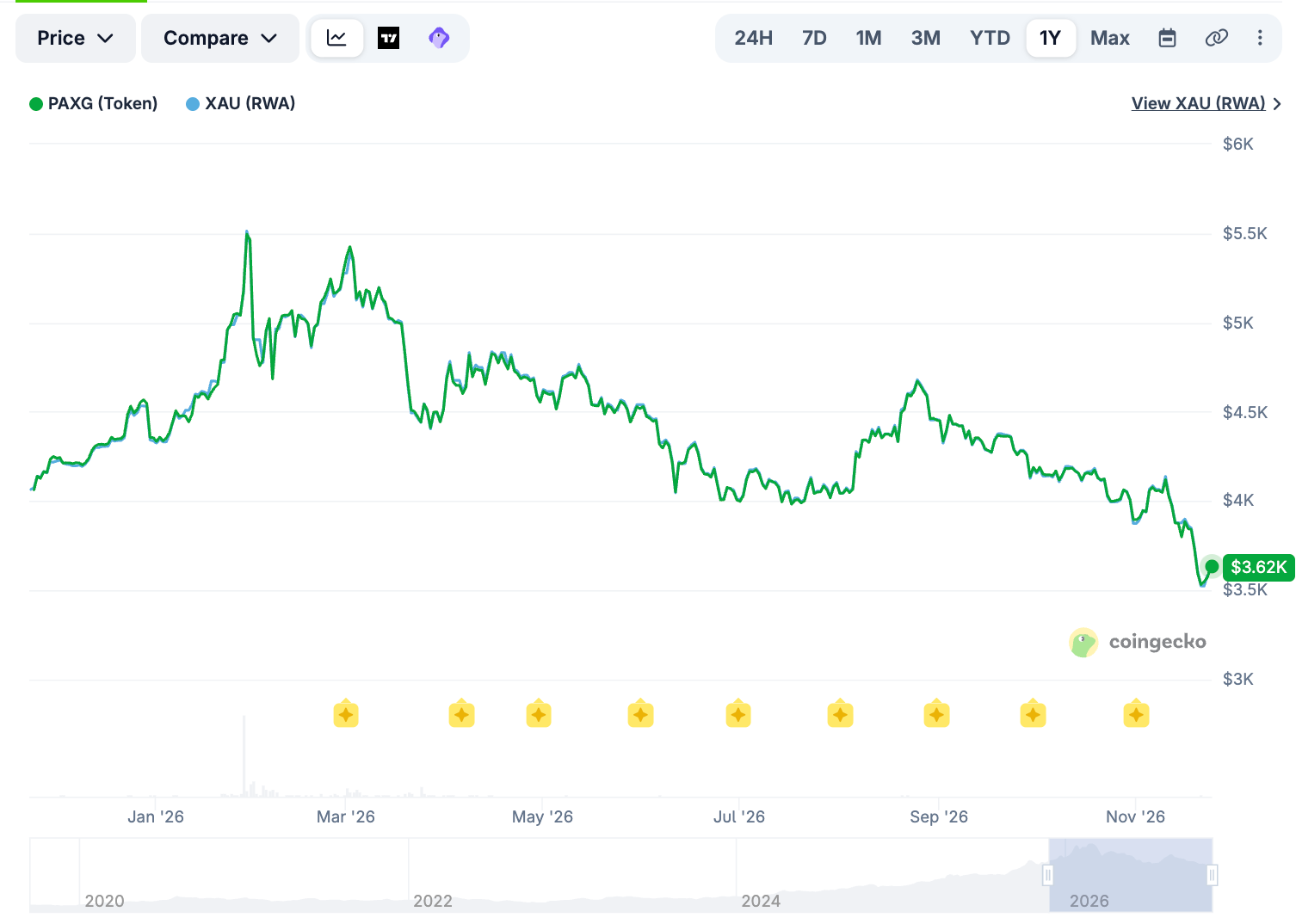
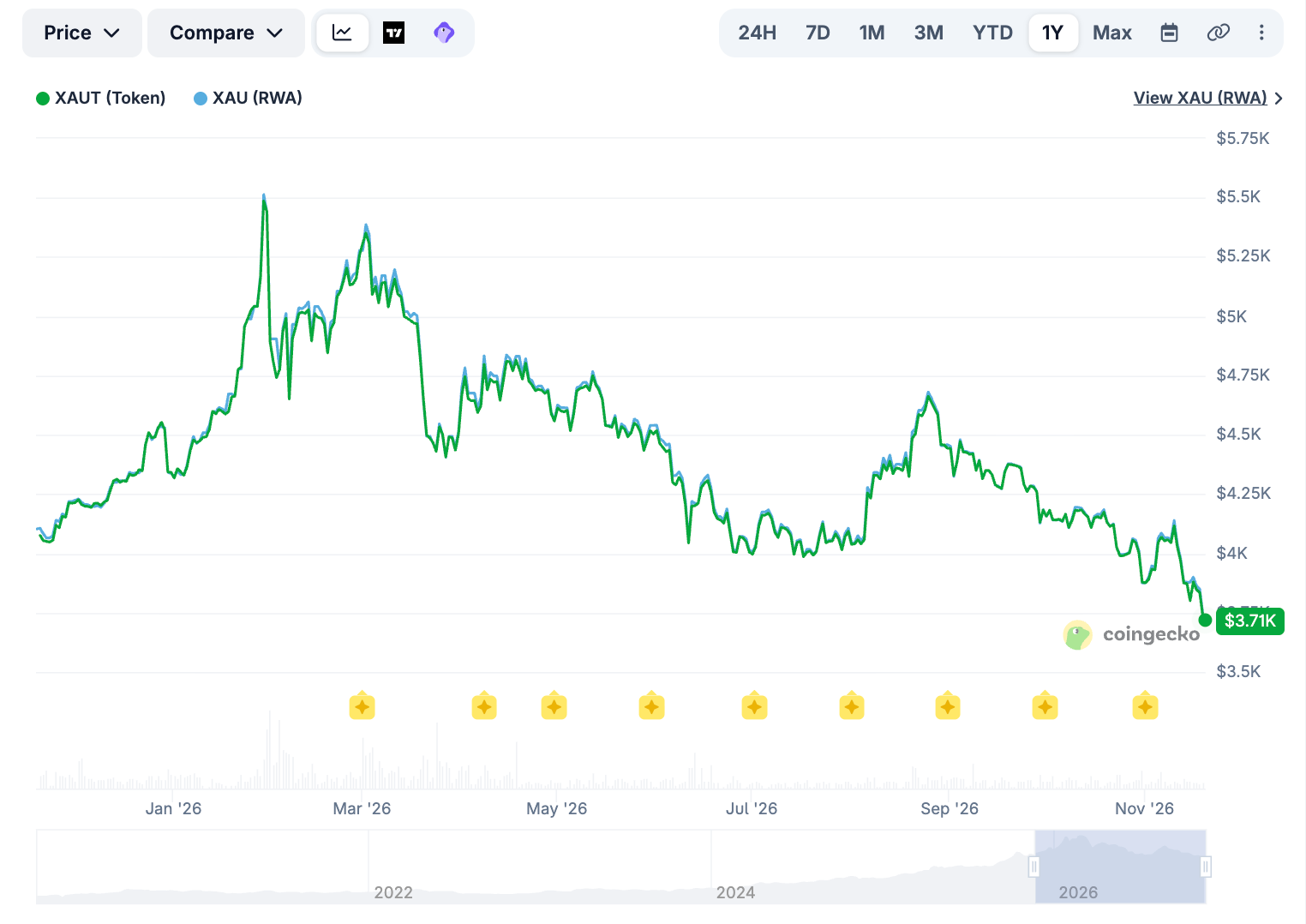
Through a large part of November 2026, gold and Bitcoin have declined together. Bitcoin has traded around the $60-64k range, which is 12-15% down over the weeks. Gold tokens - PAXG and XAUT, have traded around $3800.
Key Takeaways
- In the week to November 19, 2026 Bitcoin declined twice as fast as gold.
- The 90 day rolling correlation between the two assets rose from slightly >0 in January to >0.5 in the final weeks of August 2026. This is the highest value since 2020.
- CoinGecko shows that bitcoin is currently ~49% off its all-time high of $126,080 and PAXG is ~34% lower than its peak.
- The most recent BTC halving took place in April 2024 and we should expect another in April 2028.
Gold vs Bitcoin
Here’s how the two compare as of writing during late November 2026.
Source: CoinGecko
Bitcoin's market cap is about $1.28 trillion. PAXG's is about $1.66 billion and XAUT's about $3.00 billion, so tokenized gold is still a tiny corner of crypto. Prices move by the minute, so check the live pages before you act on them.
How The Gold and Bitcoin Correlation Flipped in 2026
Correlation runs from -1 (opposite moves) to +1 (lockstep). In 2020, VanEck reported that the long-term average correlation between bitcoin and gold (from 2012 to March 2020) stood at only 0.03. However, this rose to 0.49 across the month of March 2020.
2026 has proven even more volatile.
For the first time since mid-2022, the 52 week rolling correlation between gold and bitcoin returned to 0 in January. Gold had risen 65% throughout 2025, whereas bitcoin had largely stagnated. The two subsequently diverged sharply, reaching a low of -0.88 according to CryptoQuant in March as gold continued to climb and bitcoin retreated.
Then this changed.
On August 27, Grayscale published their findings showing the 90-day correlation between the two had increased to >0.5, having averaged ~0 over the preceding 12 months. At the same time, the 90-day rolling correlation with the NASDAQ 100 decreased to ~0.33, down from >0.60. Head of Research at Grayscale, Zach Pandl, attributed this change to increasing US sovereign debt.
Historically, periods of elevated gold-btc correlation have preceded significant gains. The Block noted that after the correlation hit 0.6 in 2020, bitcoin gained 172%, and after it climbed from roughly 0 to 0.5 in Q4 2022, bitcoin rallied nearly 350% over the next 14 months. This time, a sharp drawdown followed instead, at least so far.
Why Are Both Dropping At Once?
A combination of anticipated increases in US rates and a stronger USD has suppressed demand for gold, while additional factors have driven a steeper fall in the price of bitcoin.
On 12 November, gold fell 3% below its 12-month low, because of increased concerns around global oil prices driving higher US rates. A further decline to $3,830.74 occurred on the 16th… that’s the lowest since 2nd October 2025. Additionally, the WGC flagged the risk of a “double whammy” from a USD re-strengthening and rising real yields, with 10-year TIPS yields increasing ~30bps in November.
But the decline in Bitcoin’s price has been much more pronounced, having experienced 6 consecutive weeks of decreases to reach a low of ~$58k in the middle of the month. Between the 5th and 13th November, the net redemptions from US-listed spot BTC ETFs totalled $1.91bn. Plus, the drop triggered around $2 billion in liquidations, mostly long positions.
So the debasement trade that pulled gold and bitcoin together over the summer is unwinding, and leverage makes bitcoin's side of it… well, uglier.
Gold Futures vs Tokenized Gold: How Traders Get Exposure
Gold futures allow participants to take a long or short view on gold at a predetermined price in the future. Globally they trade on venues like COMEX, and in India gold futures trade on MCX, letting traders bet on price moves without holding physical metal.
Alternatively, crypto traders can use derivative products tied to tokenised gold. As of today, Delta Exchange India offers perpetuals on PAXG and XAUT, which were added in Feb and Apr 2026 respectively, supporting leverages of up to 100x. They also offer options on XAUT. Perpetuals never expire, but they carry funding payments and liquidation risk, so they behave differently from exchange-traded gold futures.
Also Read: Gold Options Explained: Types, Contract Specs, and How to Trade Them
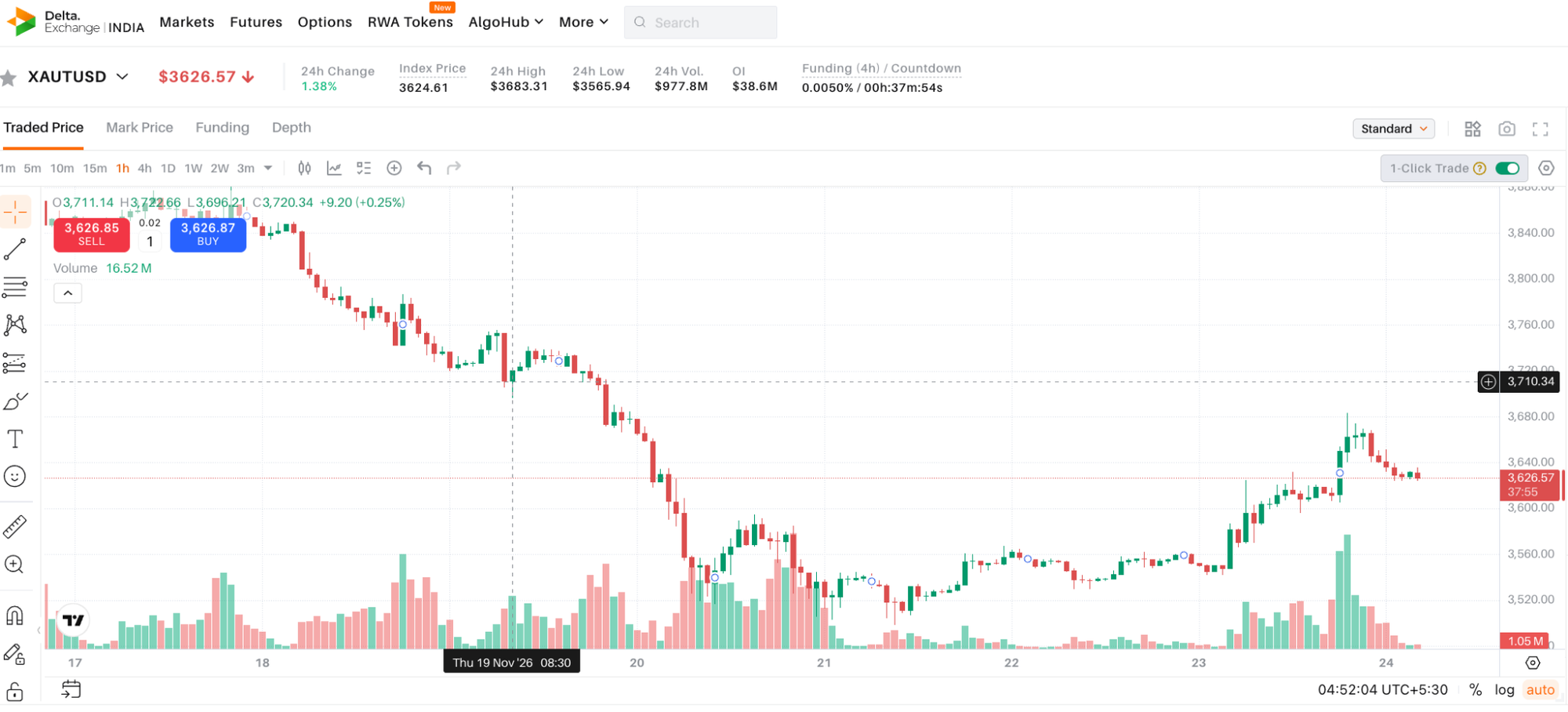
But being able to trade gold and bitcoin under the same login becomes convenient if you anticipate (or see) a change in their relative correlation.
Bitcoin Halving: Where The Cycle Stands
The last Bitcoin halving took place on April 20, 2024 at block 840,000, cutting the block reward from 6.25 to 3.125 BTC. We expect the subsequent halving to occur around April 2028 at block 1,050,000, when the reward drops to 1.5625 BTC.
The reduction in the rate of newly minted BTC combined with an unchanged level of buyer interest should drive an increase in the asset's value. After the 2024 halving, BTC reached an all-time high of $126,080 on 6th October 2025. But it has since given back about half of that, and its year-to-date return is at -25.5% as of November 16. Gold has no halving at all, yet it hit its own record in January 2026.
Refer to our guide for a summary of the Bitcoin halving process.
Hash Rate: Miners Are Feeling It
The hash rate of the Bitcoin network indicates how much hashing capacity is dedicated to protecting the blockchain. Once the block reward is lowered by the halving, some miners will cease operations if the price of Bitcoin decreases such that they cannot meet their running cost base.
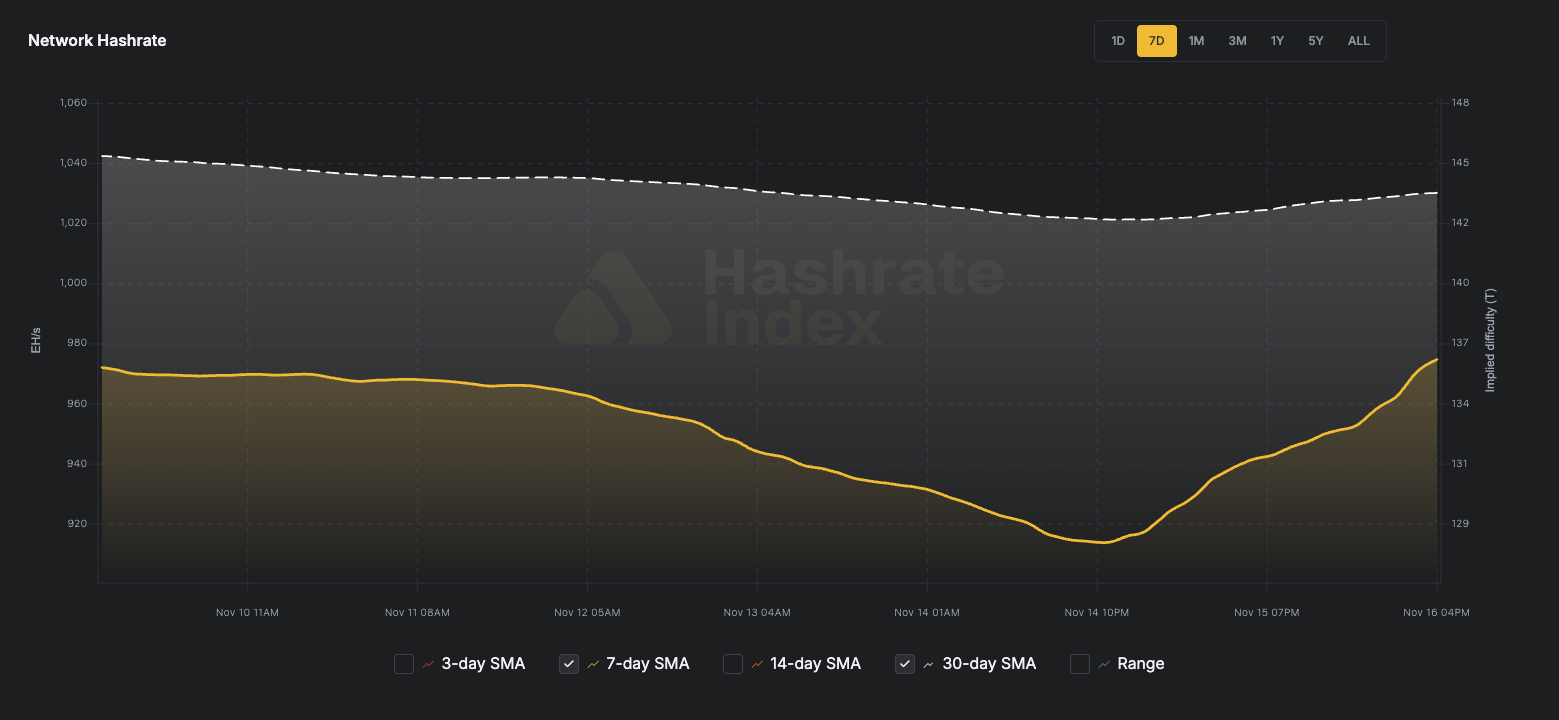
Source: Hashrate Index | Bitcoin network hash rate, 7-day and 30-day averages, November 9 to 16, 2026
Bitcoin's seven-day average hash rate was 967 EH/s on November 16, against a 30-day average of 1,030 EH/s. Network difficulty dropped 9.1% on November 14 to 134.82T, and hashprice, roughly what miners earn per unit of compute, sat at $30.45 per PH/s per day. This was not the only time this year that the hashrate retreated. In January, StandardHash founder Leon Lyu attributed the drop below 1 ZH/s to miners moving their rigs to support AI. The Bitcoin difficulty is recalibrated every 2,016 blocks (~2 weeks) to maintain the target block time.
Key Takeaways From Trading Both Gold and Bitcoin in 2026
A few lessons from 2026:
- Gold is not necessarily a suitable hedge for your Bitcoin position. Between March and November, the assets exhibited a negative, then positive correlation respectively.
- Ensure you are adequately capitalised to stand bitcoin's swings. While we've observed periods where both assets have trended similarly, the fall experienced by Bitcoin over the last week (to 19th Nov) was approximately 2x PAXG.
- Be aware of other macro influences that are impacting each market, including: US rate expectations, oil prices and ETF flows.
- Also, respect leverage. Liquidations amplified bitcoin's November drop. Check the fee schedule and margin rules before opening positions on either.
If you're looking for a steady, uncorrelated diversifier for a crypto portfolio, gold hasn't filled that role reliably in 2026.
Bottom Line
Gold and bitcoin are falling together right now. Rate expectations and a firmer dollar are hitting both, while bitcoin is also dealing with ETF outflows and forced selling, which is why it fell about twice as hard.
Two dates are worth watching. The Fed meets in December, and Governor Waller has raised the prospect of a 50bp hike. Bitcoin's next difficulty adjustment is due around November 26. As of November 16, Hashrate Index's early estimate was +14.8%, though it expected that to change. Until those play out, treat gold and bitcoin as two assets that can fall at the same time, not as hedges for each other.
Disclaimer: This article is for information only and isn't financial advice. Crypto and leveraged derivatives carry high risk.
FAQs
- Are gold and bitcoin correlated?
Answer: Sometimes. VanEck put the 2012-to-March-2020 reading at just 0.03. In 2026 it has swung hard, from about -0.88 in March (CryptoQuant) to above 0.5 on Grayscale's 90-day measure by late August.
- When is the next Bitcoin halving?
Answer: Around April 2028 at block 1,050,000. The exact date depends on how quickly blocks get mined, so estimates shift by days or weeks.
- What's the difference between gold futures and gold token perpetuals?
Answer: Gold futures on exchanges like MCX or COMEX have fixed expiry dates. Perpetuals on PAXG or XAUT never expire and use funding payments to stay close to the token's spot price.
- Does hash rate affect bitcoin's price?
Answer: Not directly. Miners are paid in BTC, so hash rate mostly follows price. A falling hash rate after a selloff points to miner stress, but it didn't cause the drop.
- Can I trade gold on Delta Exchange India?
Answer: Yes. Delta Exchange India lists PAXG and XAUT perpetuals and XAUT options. You can browse every contract on the markets page.