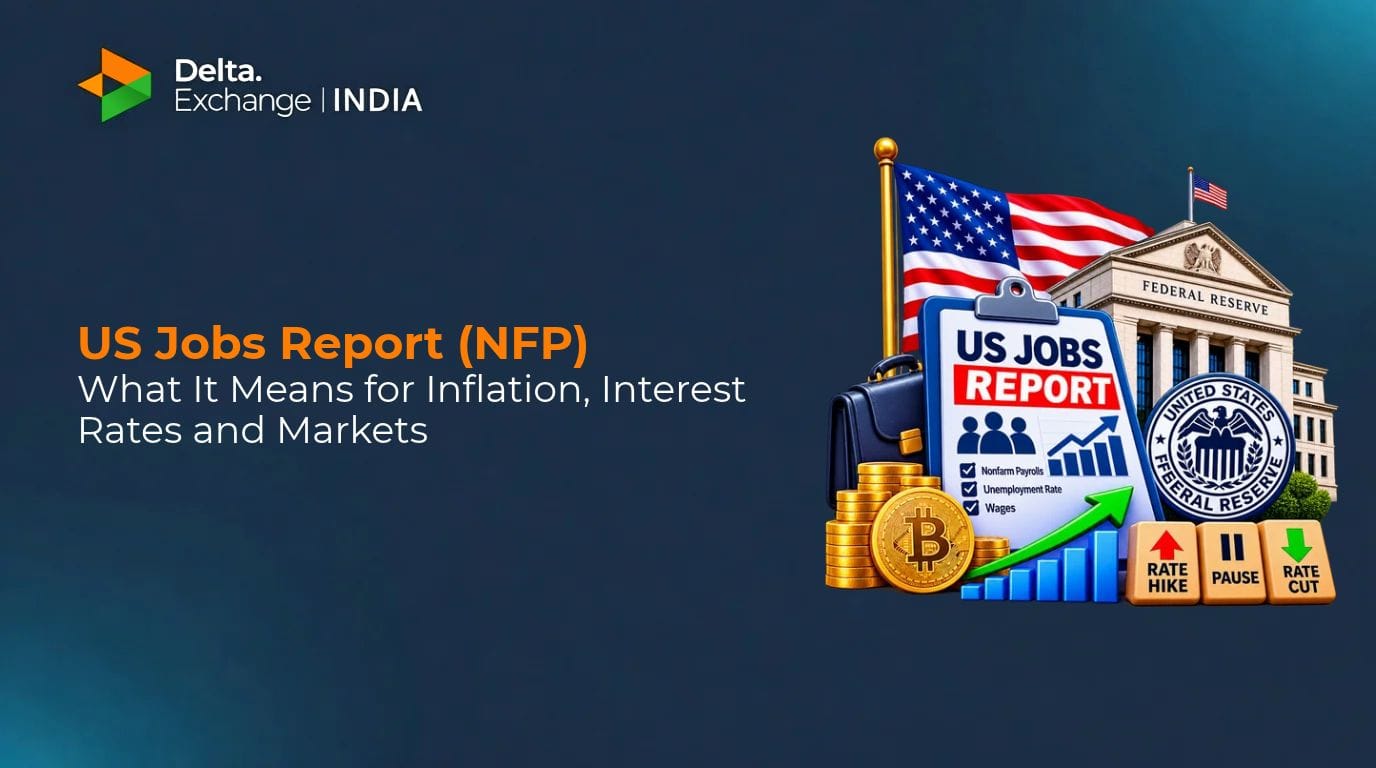
US Jobs Report (NFP): What It Means for Inflation, Interest Rates and Markets

The US jobs report is an important measure of the health of the economy. It shows how many jobs were added, how many people are unemployed and whether wages are rising.
A strong jobs report suggests that the economy is still doing well. However, it also raises concerns about inflation, especially if wages and consumer spending continue to rise.
Is the US job market still healthy?
The jobs report helps investors understand whether businesses are still hiring or starting to slow down. A steady increase in jobs is generally good for the economy, but very strong hiring and rising wages could keep inflation high.
The next inflation report will be equally important. If prices continue to rise faster than expected, the Federal Reserve may need to keep interest rates high.
AI and the future of jobs
Artificial intelligence is also changing the way companies operate. Some businesses may need fewer workers for certain tasks, while others may create new jobs in technology and related services.
It is still too early to understand the full impact of AI on employment. Future jobs reports will help show whether these changes are affecting the wider economy.
What could the Fed do next?
The Fed will look at both jobs and inflation before making its next interest-rate decision.
- Rate hike: If hiring remains strong and inflation rises, the Fed could raise interest rates to control prices.
- Pause: If the job market remains healthy and inflation starts to ease, the Fed may keep rates unchanged while waiting for more data.
- Rate cut: If hiring slows sharply and inflation falls, the Fed may consider cutting rates to support the economy.
Impact on markets
Stocks, Bitcoin and other risky assets could come under pressure if strong jobs data increases the chances of higher interest rates.
A pause in rate hikes, along with falling inflation, could support markets. However, a sharp slowdown in hiring could hurt investor confidence, even if it increases the chances of rate cuts.
Major takeaway
A healthy job market and falling inflation would be the best outcome for the economy and markets. Investors will watch the next jobs and inflation reports closely for clues on the Fed’s next move.