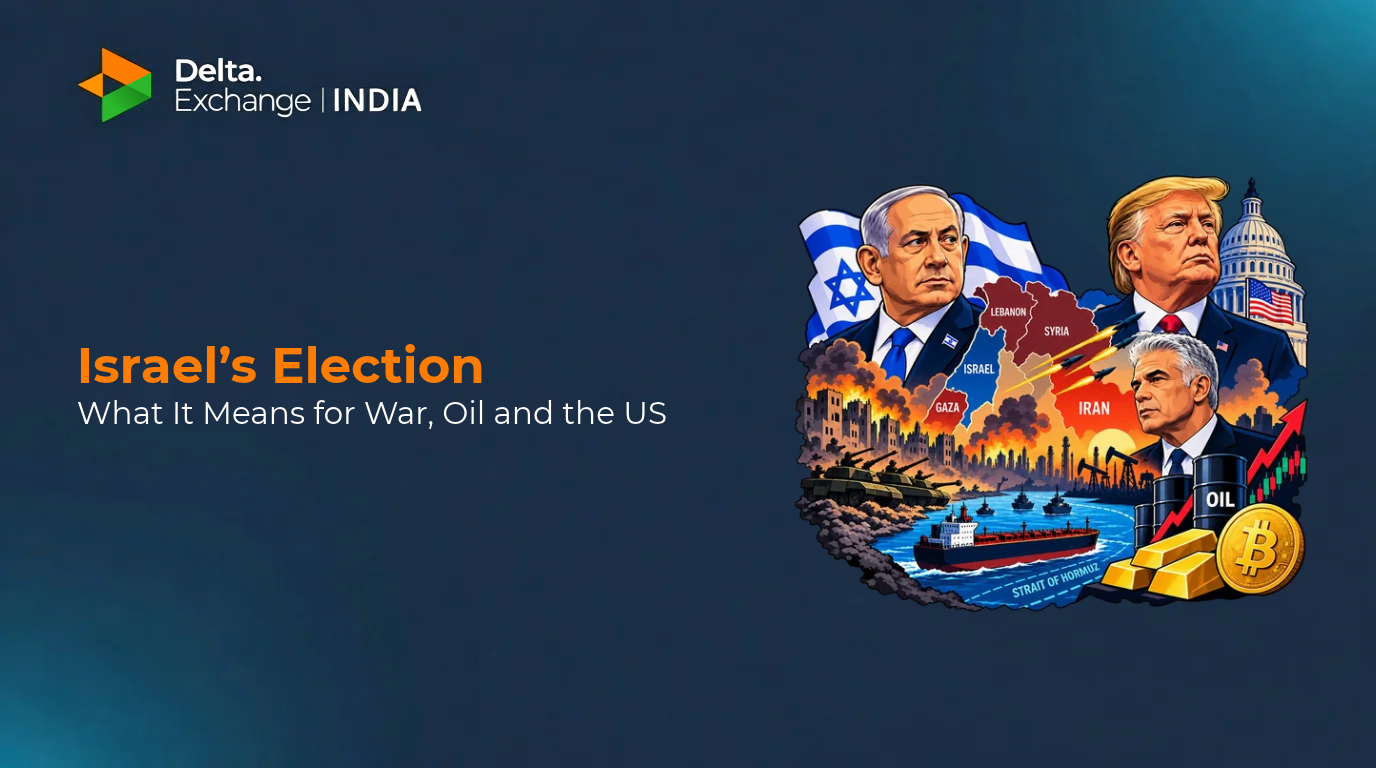
Israel’s Election: What It Means for War, Oil and the US

Israel’s October 27 election could shape its approach to the conflicts involving Iran, Gaza and Lebanon. It also matters to the US and global markets, especially oil.
But a change in government does not necessarily mean a change in military policy. Israel’s major political camps share many of the same security concerns, particularly over Iran.
1. Impact on the wars
- If Netanyahu stays in power: Israel is likely to maintain its tough stance on Iran. His coalition partners could influence how far military action goes.
- If the opposition takes power: Israel may change its diplomatic approach, but a major shift in security policy is not guaranteed.
- Gaza and Lebanon: Both remain difficult issues. A new government would still face decisions over military operations and regional security.
2. What it means for oil and markets
The biggest concern for oil markets is the risk of renewed fighting with Iran and disruption to shipping through the Strait of Hormuz, a key route for global oil supplies.
- Oil: Prices could rise if fighting intensifies or shipments are disrupted. Progress towards a deal could bring prices down.
- Inflation: Higher oil prices would increase fuel and transport costs, making it harder for central banks to bring inflation under control.
- Stocks, gold and Bitcoin: Escalation could hurt stocks and other risk-sensitive assets, while supporting gold. Bitcoin’s reaction would also depend on broader market conditions.
3. What it means for the US
President Donald Trump has backed Netanyahu and supported a tough approach towards Iran. On October 26, Netanyahu suggested that military action against Iran could resume.
The US has its own political pressures, with midterm elections approaching on November 3. Higher fuel prices and the cost of military involvement could become sensitive issues.
A new Israeli government could change the tone of relations with Washington, but it would not automatically end the conflict with Iran.
Key takeaway
Israel’s election could change its diplomatic approach, but it is unlikely to quickly alter the country’s core security policy or tensions with Iran. For markets, the main risk is renewed conflict that disrupts oil supplies through the Strait of Hormuz, pushing up prices, fuelling inflation and weighing on stocks. Progress towards a deal, by contrast, could ease those concerns.